

The History of BCST
History and Evolution of Craniosacral Work
Craniosacral Biodynamics has its roots in the studies of the American osteopath Dr. William G. Sutherland (1873-1954), a student of the creator and father of osteopathy, Dr. Andrew Taylor Still.
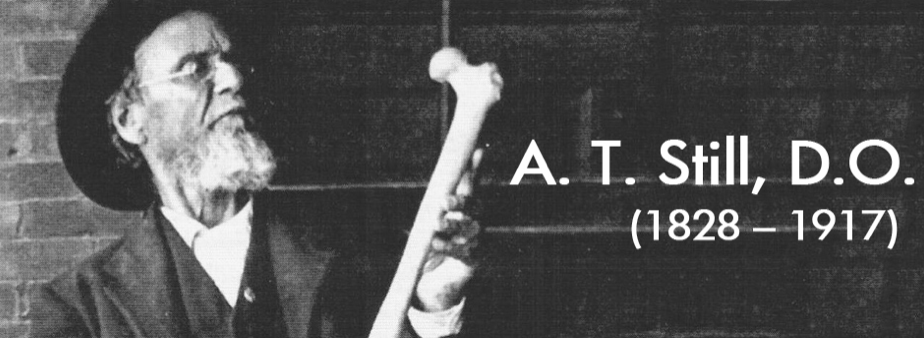
In the early 20th century, while studying osteopathy with Dr. Andrew Still, Sutherland observed that the bones of the skull were designed to move. He conducted experiments that led him to conclude that applying pressure to the skull interfered with an internal movement, which led him to develop the Primary Respiratory System, known as Cranial Osteopathy.
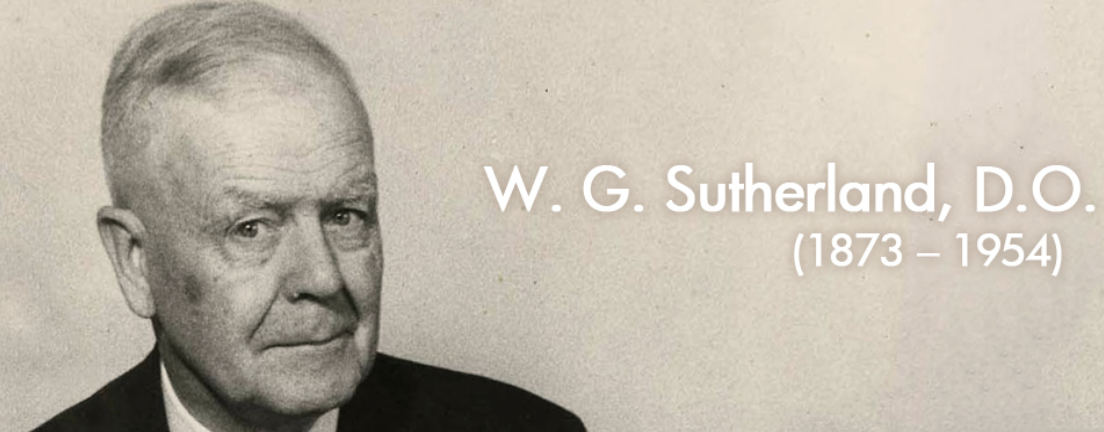
Sutherland worked with patients who were often given up on by other doctors. In the last years of his life, he introduced the concept of the Breath of Life, teaching his students about the fluid system and the primary forces that originate movement.
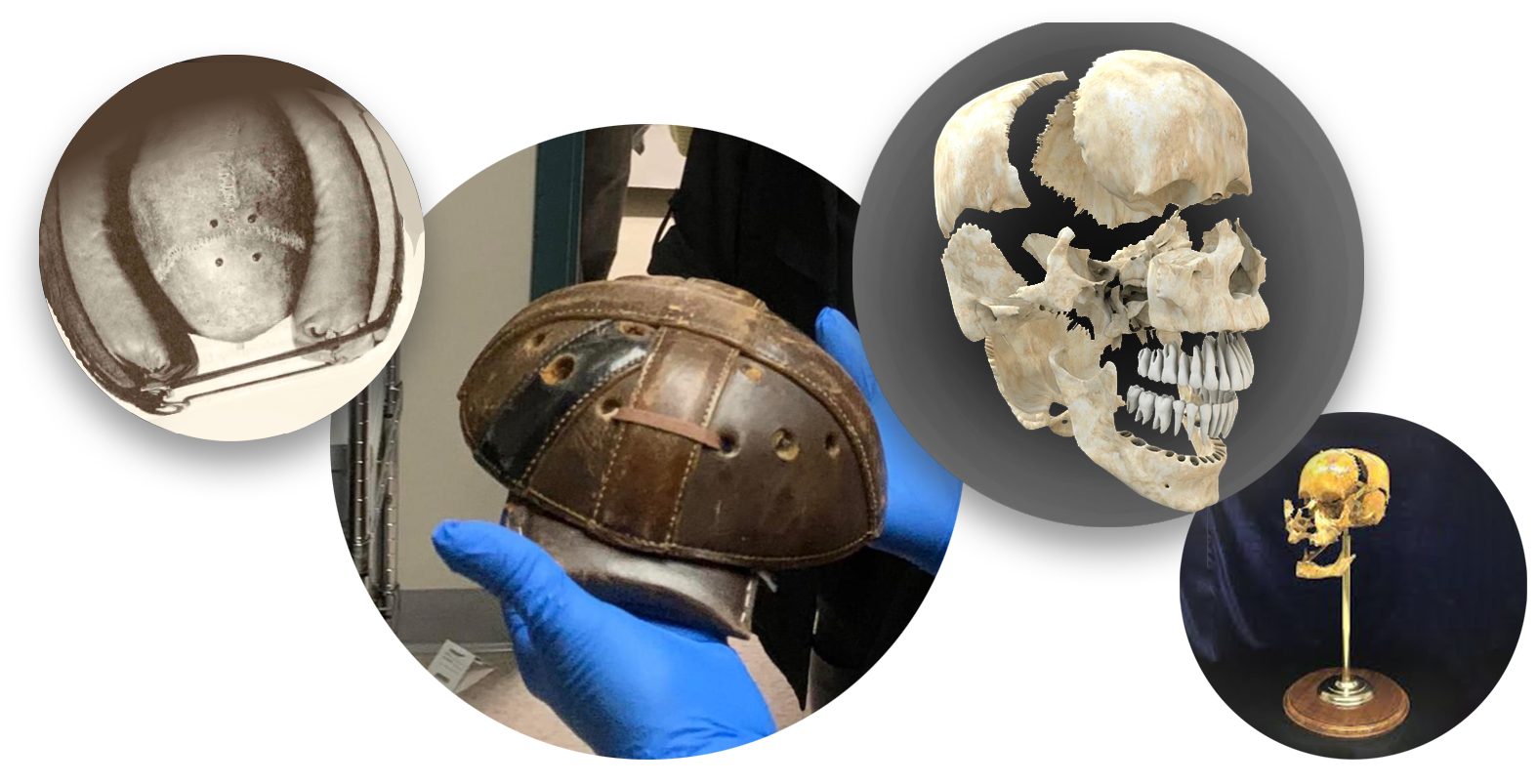
His students, such as Dr. Magoun and Dr. Rolling E. Becker, continued his legacy, researching the concept of the Breath of Life and inherent health within the system. In the 1970s and 1980s, Dr. Upledger and Dr. Karni applied scientific methods to demonstrate that the bones of the skull move with the rhythm of the cerebrospinal fluid.
Craniosacral Biodynamics moves away from initial biomechanics to focus on seeking the inherent movement and health of the system. It was observed that this movement is the result of deeper forces, which Sutherland and Becker called biodynamic forces, in contact with the Breath of Life.
The concept of Biodynamics implies a shift in perspective in the study of the human being, where inherent health organizes and guides the body. Health is present at all times, even in difficult circumstances, and allows the therapist and client to face pain from a basis of underlying health.
Other students and teachers to highlight within the cranial field would be: Dr. James Jealous, a pioneer in Biodynamic Osteopathy; Franklyn Sills, who facilitated our understanding of the work in Craniosacral Biodynamics and the concept of the Breath of Life. And especially my teachers Bhadrena C. Tschumi and Kavi Gemin, pioneers in the latest updates of work in the field of Craniosacral Biodynamics. And above all, Cristina Ratti, without her, I would not be where I am today; every encounter with Cristina is a new learning experience.
Roots
Craniosacral Biodynamics
The modality of Craniosacral Biodynamics as an approach to the human system originates from the discoveries of Dr. Sutherland and Dr. Becker. Both moved further away from the more biomechanical modality with which they had begun their practice. In this modality, they were taught to look for movement, axes of rotation, restriction or compression in movement, and to help it move better. With practice and work with thousands of people, they realized that this movement was the result of deeper forces and experienced that beneath the movement were much deeper states of calm. They observed that these deeper forces, of calm, of movement, were the inherent forces of the system with which one had to cooperate.
They called these natural forces, biodynamic forces, which are in contact with the Breath of Life and continuously create the human being. Biodynamic forces are the inherent Health of the system.
“The first goal for a therapist is to find health in the individual. Anyone can find disease."
/ Dr. A. Still
“I try to restore health. I am not trying to correct the problem. In this way, I open the doors for the body to do what it needs to do with its own vital force."
/ Dr. Rolling E. Becker
The concept of Biodynamics entails a change in vision when studying and delving into the human system. The concept of inherent health that underlies and organizes all living beings. Where there is life, there is an organizing principle, which is the inherent health.
The body is a unity, it is not separate, and within it exists the organizing principle, the inherent health, which is present and available at all times, even in the most difficult circumstances. Trusting the intelligence of the system in resolving issues.
Taking into our awareness the principle of self-regulation and self-healing of the human system and knowing that health is present at all times, allows the practitioner and the client to face pain, compression, and suffering from the deepest forces of underlying health.
“Elimination of pain and suffering" to "restoration of health from within”
“The health we speak of in ostheopathy is at the center of our being and cannot be increased or decreased to a greater or lesser degree. In other words, health in our body is available one hundred percent 24 hours a day from conception to death, then it transpires, not expires.”
//Anonymous Osteopath